

Henna Manufacturers in Australia: What the PSG vs Bayern Buzz Can Teach You
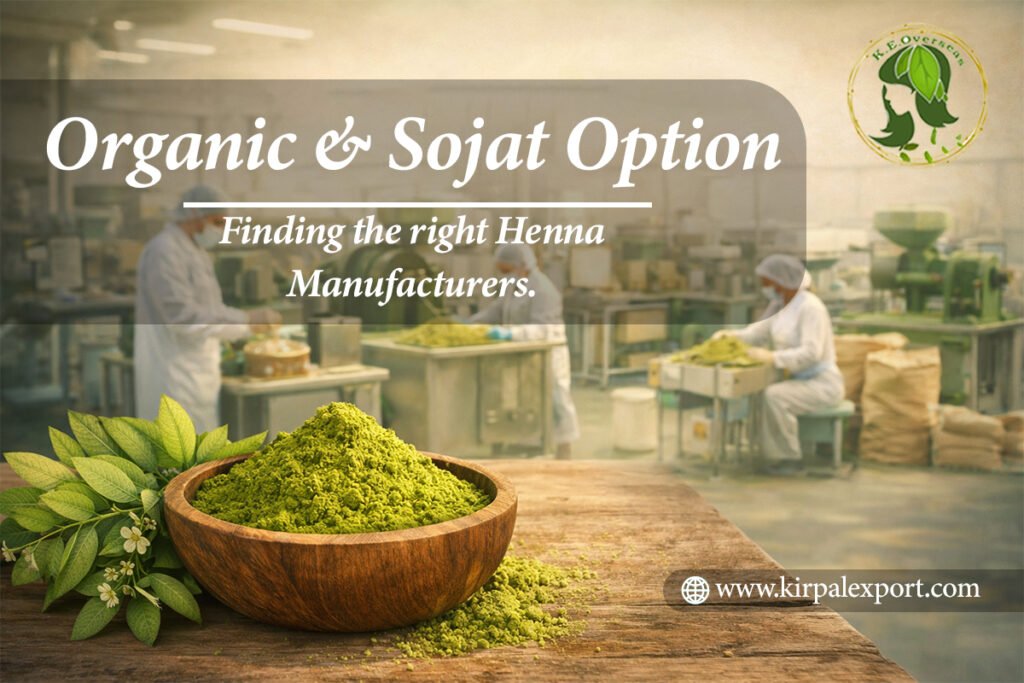
On the night of April 29, 2026, millions of Australians were glued to their screens watching PSG vs Bayern in the UEFA Champions League semi-final. The match trended hard across Australian social media — Instagram, X, and TikTok exploded with reactions. But here’s the thing. That same night, thousands of Australians were also searching for henna manufacturers, organic hair colour, and chemical-free beauty. Two very different conversations. Yet the marketing lesson hiding inside both is the same. This blog unpacks that lesson — and shows how a smart henna manufacturer can use global buzz moments to grow real brand awareness in the Australian market. Why Trending Moments Matter for Niche Brands PSG’s dramatic win over Bayern was covered by The Guardian as one of the more surprising results of this Champions League season. Football fans across Australia were loud about it — and brands that showed up in that conversation got eyeballs. Now you might ask — what does football have to do with henna? Honestly, not much on the surface. But underneath, the two share something important: community engagement. Football fans build tribes. Henna enthusiasts build tribes too. Bridal mehndi groups on Facebook, Eid beauty threads on TikTok, and ayurvedic hair care communities on Reddit — these are all tight-knit audiences waiting for the right brand to speak to them. The lesson from PSG vs Bayern? When something trends, the smart move is not to jump on it directly. The smart move is to understand why it trended — and apply that same energy to your own category. Football clubs go viral because they build visible trust over decades — global reach, local chapters, consistent quality. Henna manufacturers can do exactly the same thing with the right strategy. The Australian Henna Market in 2026 Australia’s clean beauty movement is real and growing fast. Buyers in cities like Sydney, Melbourne, and Brisbane are actively looking for PPD-free, ammonia-free, and USDA organic certified products. The demand is not just from South Asian communities — it is spreading into mainstream Australian beauty culture. Here is what is trending among Australian buyers right now: Understanding herbal hair colour trends is now part of the job description for any serious henna manufacturer supplying Australia. What Kirpal Export Overseas Does Differently Founded around 2000 by Mr. Sunil Walia and led today with Vice-President Mrs. Payal Walia, Kirpal Export Overseas (KEO) is one of India’s best-known manufacturers and exporters of natural henna powder, indigo powder, and herbal hair colours. With over 25 years in the industry, KEO has built something that most suppliers haven’t — visible traceability from farm to export packaging. Here’s how KEO’s approach maps directly onto the lessons from global fan buzz: 1. Farm photos build trust the way club stadiums do PSG fans trust their club because they can see it — the stadium, the kits, the players. KEO does the same for B2B buyers. Farm photographs, buyer visit galleries, and before-and-after media are all published openly on the site. When an Australian brand partner visits KEO’s wholesale henna powder page, they see exactly what they’re buying — right from the Sojat fields. 2. Certifications are your global credibility badge ISO, GMP, and HALAL certifications aren’t just paperwork. They are the equivalent of a UEFA licence — they say “we meet the standard.” For Australian importers and private-label brands, these certifications reduce the risk of customs issues and quality complaints dramatically. 3. OEM and private-label: turning fans into team owners The best football clubs don’t just sell match tickets. They sell jerseys, scarves, and memberships. KEO does the same for beauty brands. Their OEM and private-label service lets Australian boutique brands design their own packaging, launch their own henna-based product lines, and source everything from one trusted supplier. This is how you build lifetime value — not just one-off transactions. Scalp Health: The Underrated Keyword Australian Buyers Are Searching While PSG vs Bayern trended for a night, scalp health is a keyword that has been quietly climbing in Australia for months. People are making the connection between chemical hair dyes and scalp irritation, hair thinning, and sensitivity. They want something gentler. Natural henna — especially Sojat-origin henna — is one of the oldest and most effective natural conditioners for the scalp. It balances pH, reduces dandruff, and strengthens the hair shaft. Henna manufacturers who lead with these scalp health benefits in their marketing will capture a completely new audience in Australia beyond the traditional mehndi buyer. Understanding how hair colouring works at a chemistry level actually helps brands communicate more credibly. When you can explain why henna deposits colour without opening the hair cuticle — unlike peroxide-based dyes — you earn trust from informed buyers. Henna for Men: The Fastest Growing Segment Here’s a trend many henna manufacturers are sleeping on — henna for men. In Australia, male grooming without harsh chemicals is booming. Men looking for natural beard colour, grey coverage, and scalp nourishment are actively googling alternatives to chemical dyes. The opportunity for manufacturers is clear: create a dedicated men’s henna line with clear messaging around naturalness, ease of use, and scalp safety. Pair it with guidance on choosing the right shade by skin undertone — and you’ve turned a search query into a purchase. KEO’s product range already covers beard and eyebrow colour, which positions them perfectly for this segment. Australian B2B buyers sourcing a men’s grooming range don’t need five suppliers. They need one supplier with the full product depth — and that’s exactly what a vertically integrated manufacturer like KEO offers. Choosing the Right Hair Colour: A Guide for Australian Buyers Not all henna gives the same result. The colour you see depends on your starting hair colour, porosity, and application time. Here is a simple guide for Australian consumers and brands stocking henna products: If you’re a brand manager trying to match hair colour to skin undertone, KEO has a dedicated manufacturer’s guide that covers this beautifully. One More Thing: Can You Actually Eat Henna